About Zeljava Military Airbase
Also known as “Klek” or “Objekat 505”, Zeljava Air Base was a massive underground military complex located on the border between Croatia and Bosnia and Herzegovina. Built during the Cold War, it served as a secret Yugoslav People’s Army (JNA) facility, engineered to withstand a nuclear attack of up to 20 kilotons.
With an estimated $6 billion invested in its construction, Zeljava was one of the largest and most expensive military projects in Europe. The complex featured an extensive network of tunnels, reinforced hangars, and operational facilities, capable of sheltering personnel and around 60 fighter and reconnaissance aircraft.
Operational from its completion in 1968 until the early 1990s, the airbase played a central role in the defense strategies of the SFR Yugoslavia (SFRJ). During the outbreak of the Yugoslav Wars, the JNA intentionally destroyed the complex to prevent it from falling into opposing hands, leaving behind the dramatic ruins seen today.
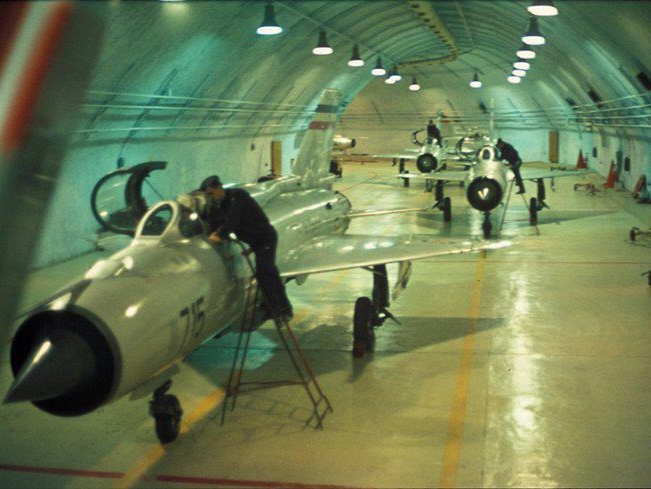
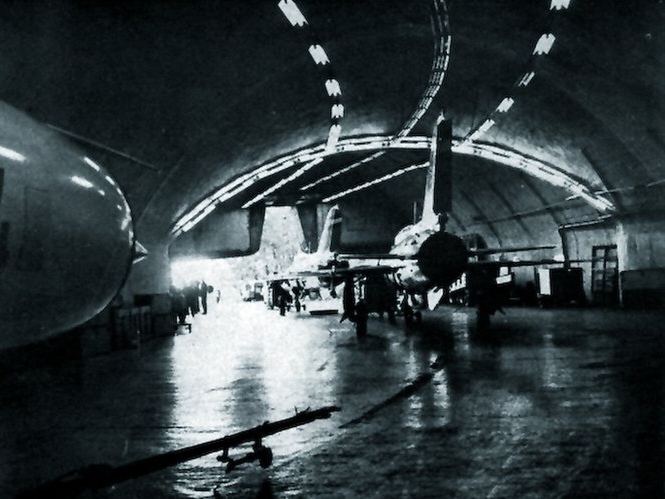
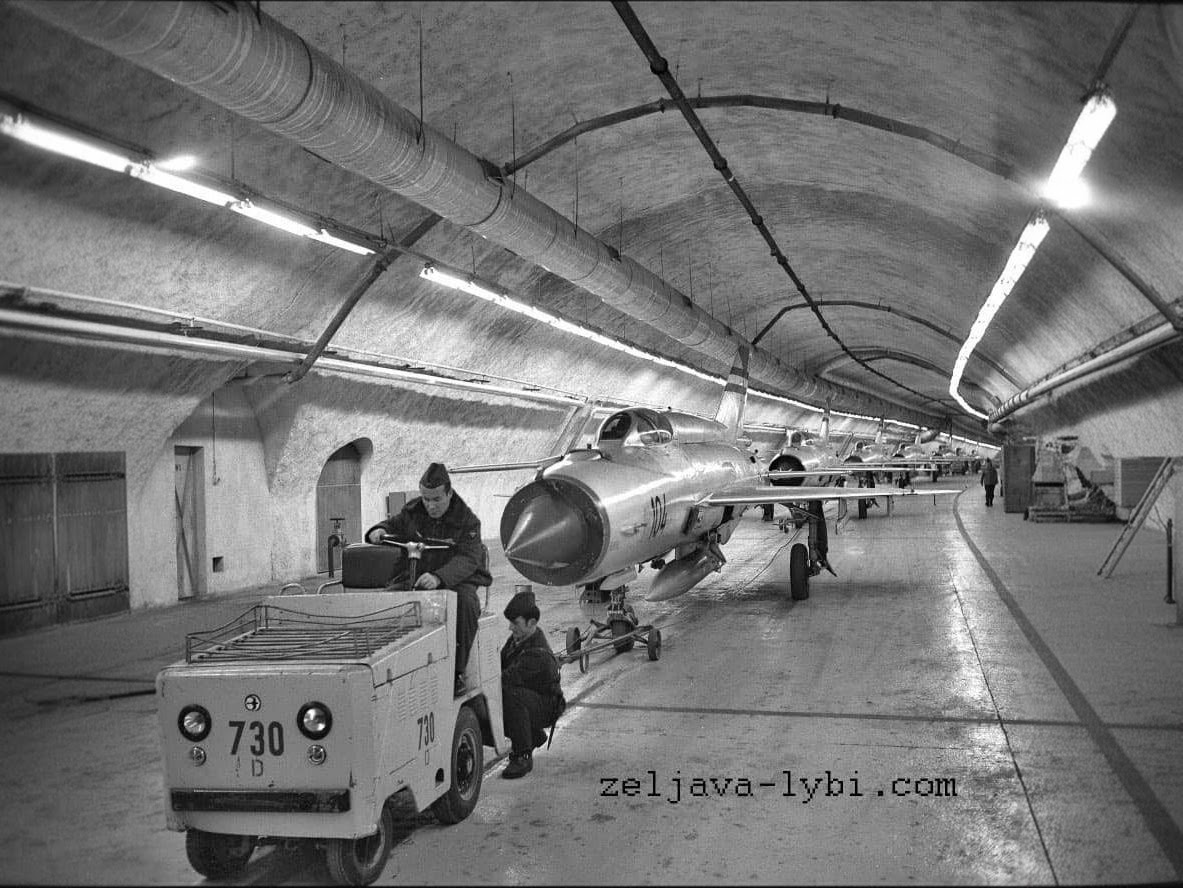
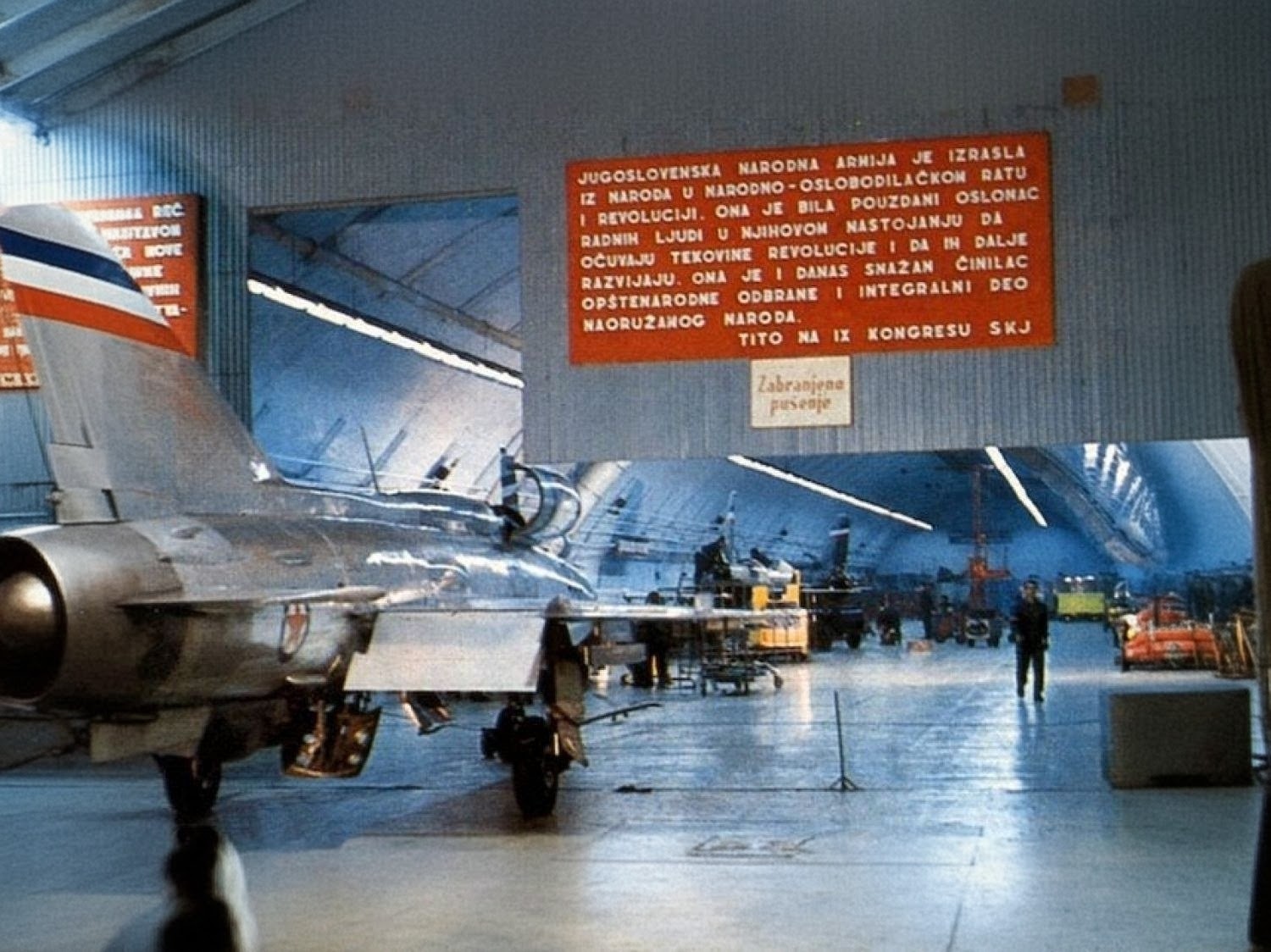
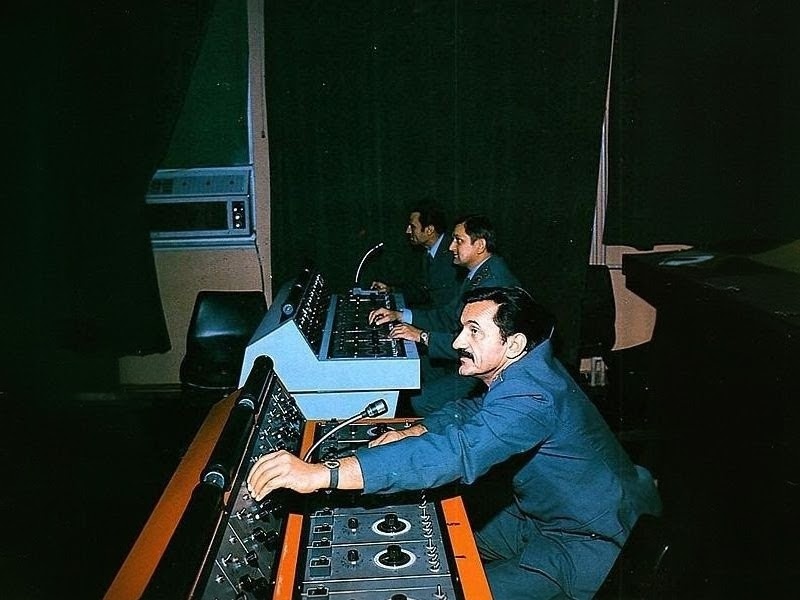
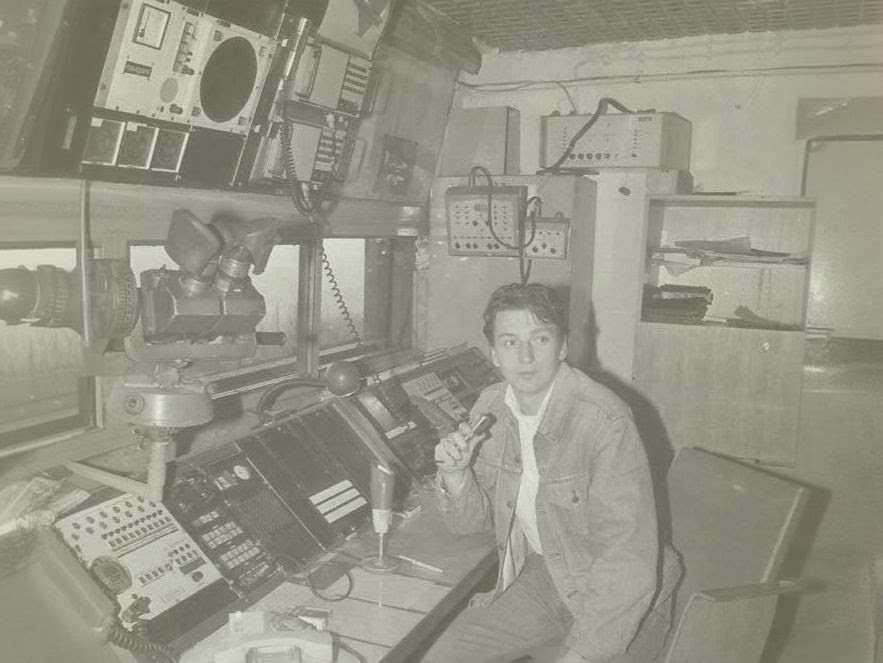
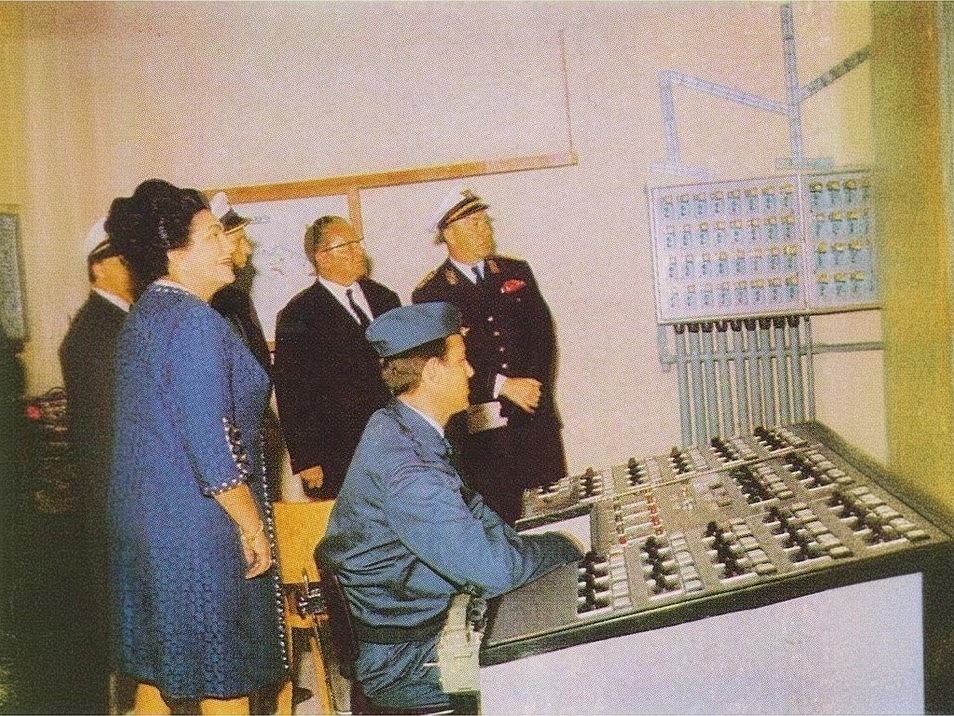
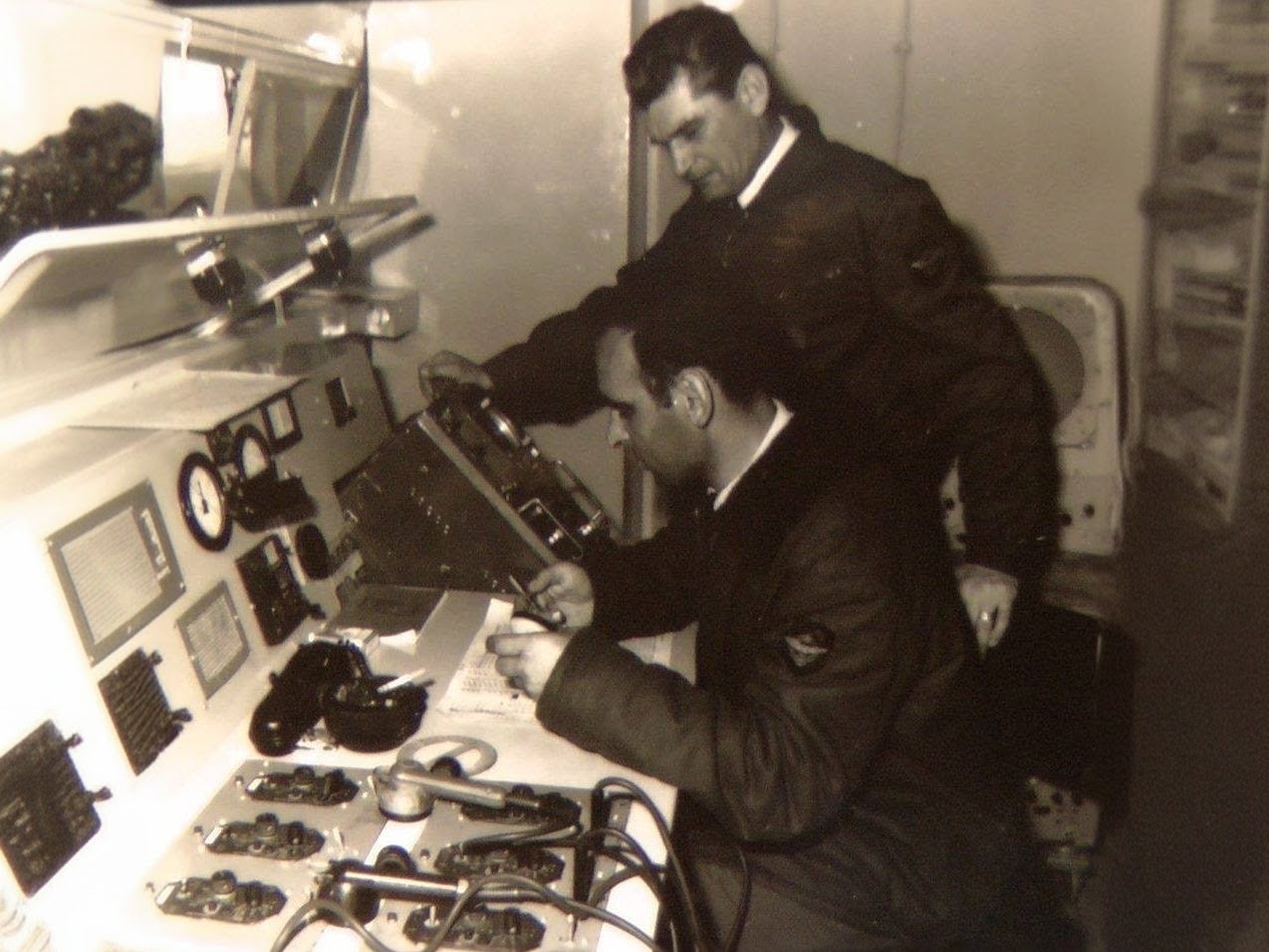
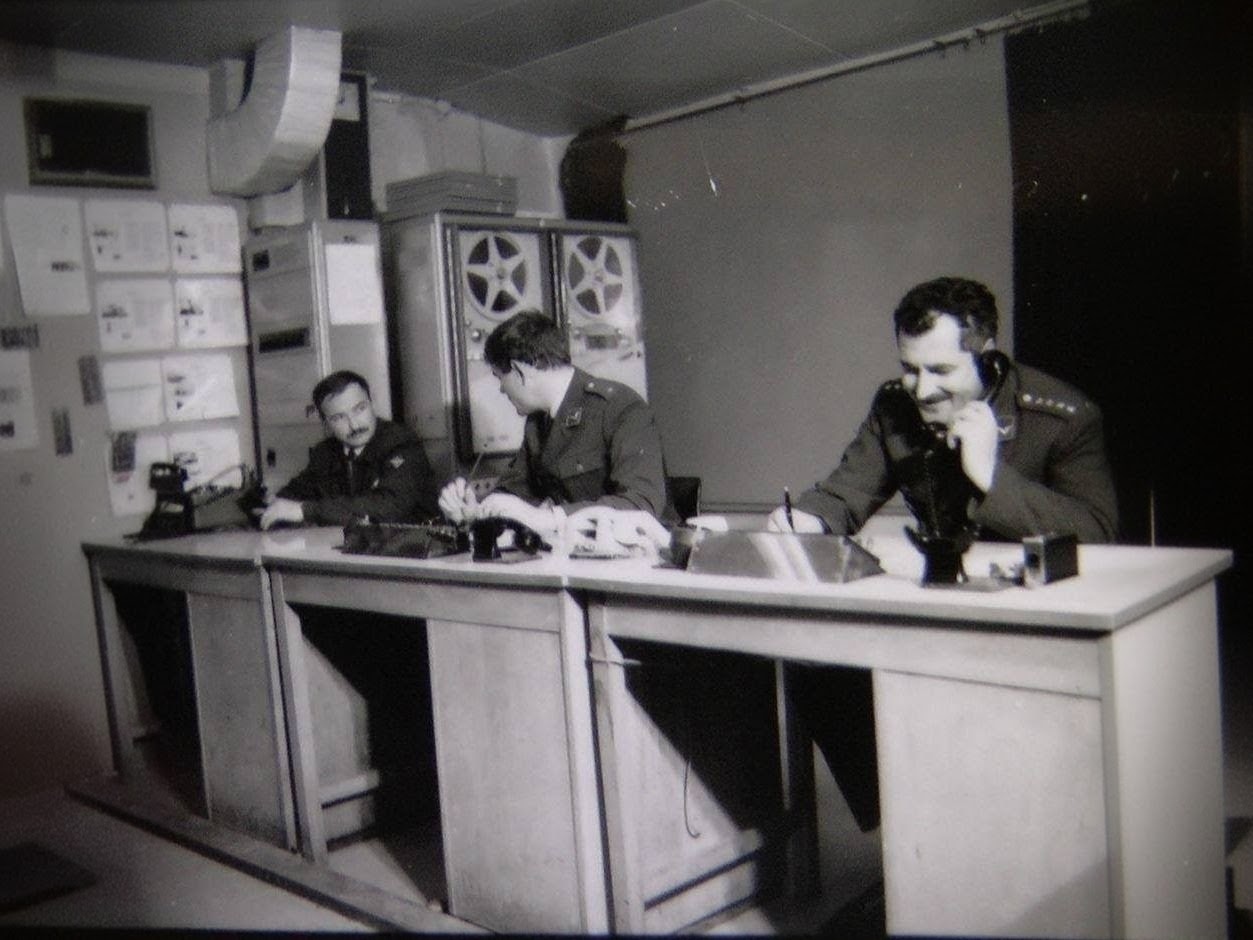

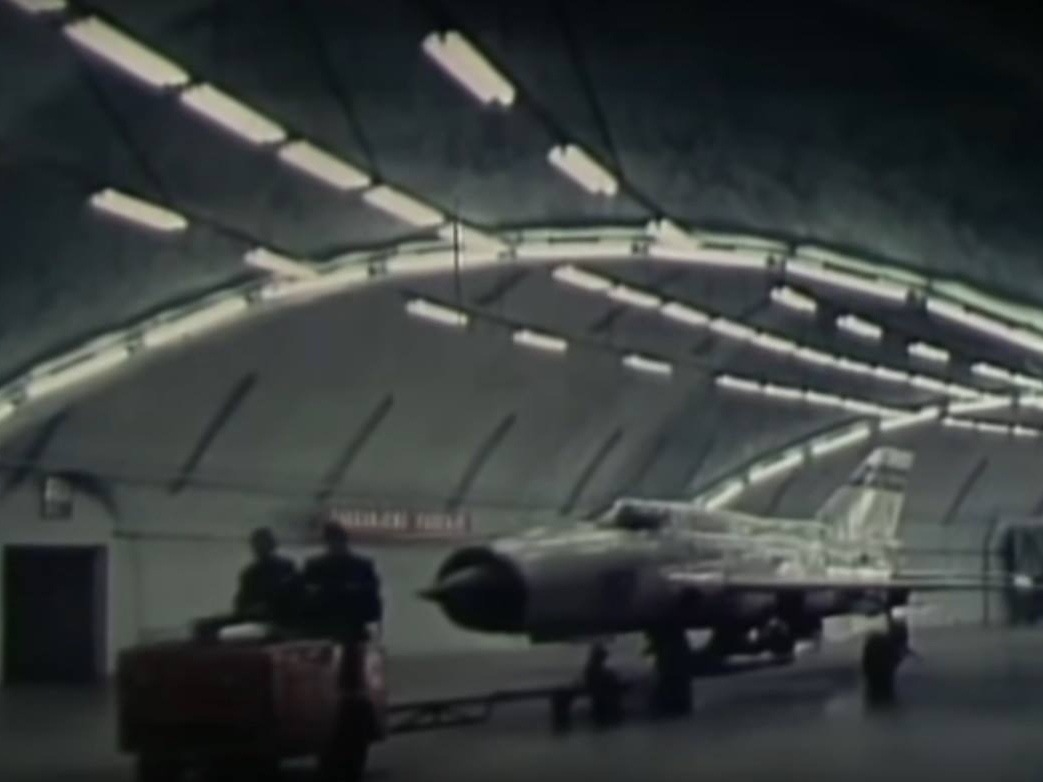
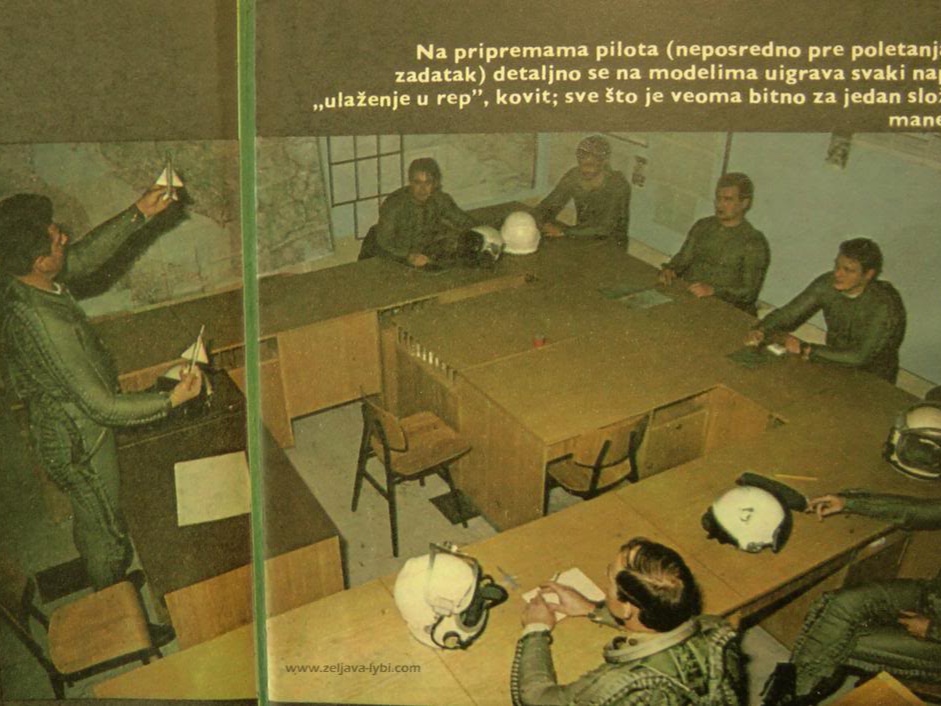
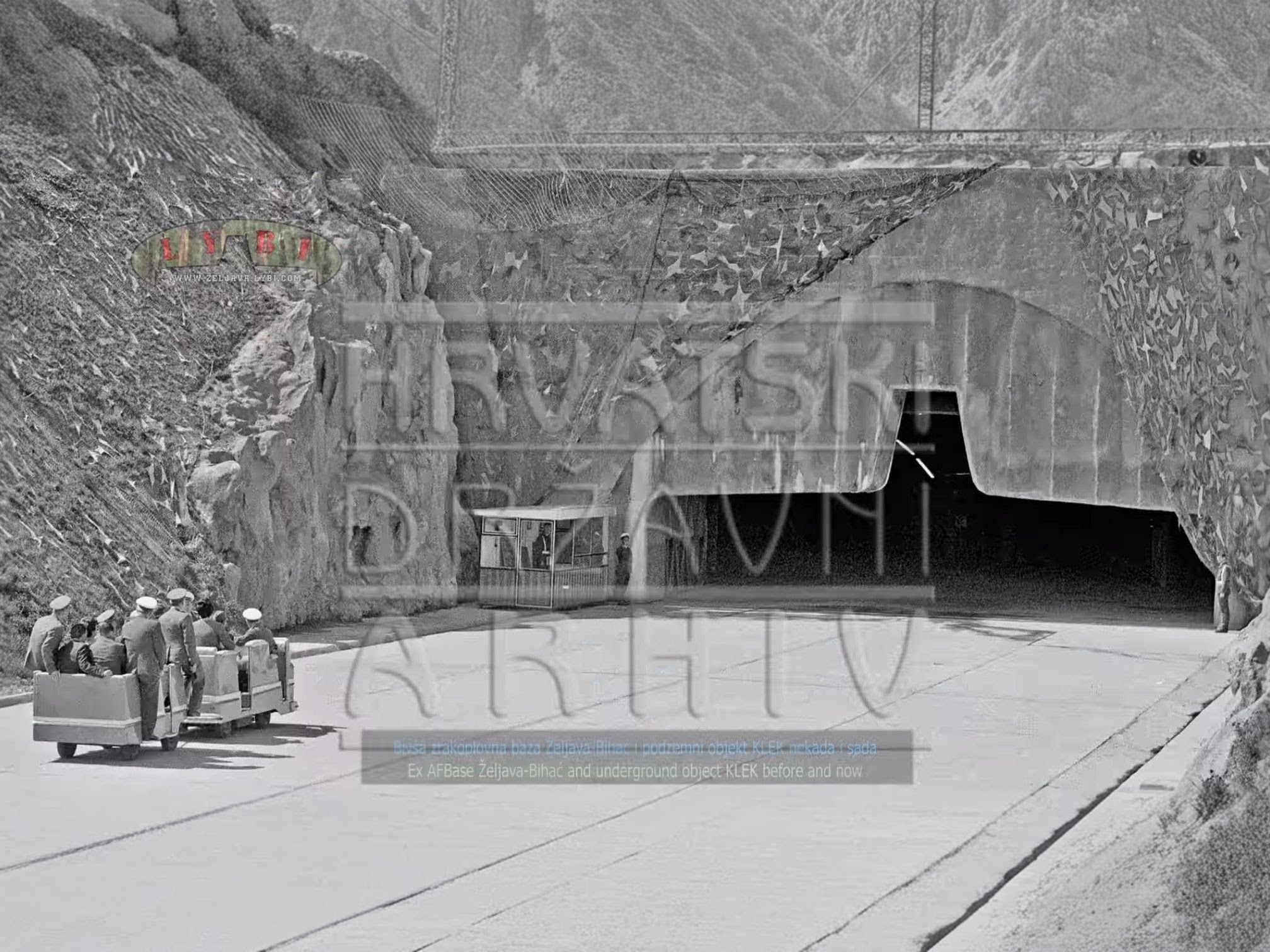
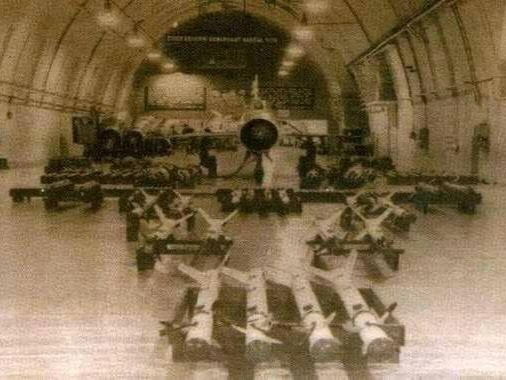

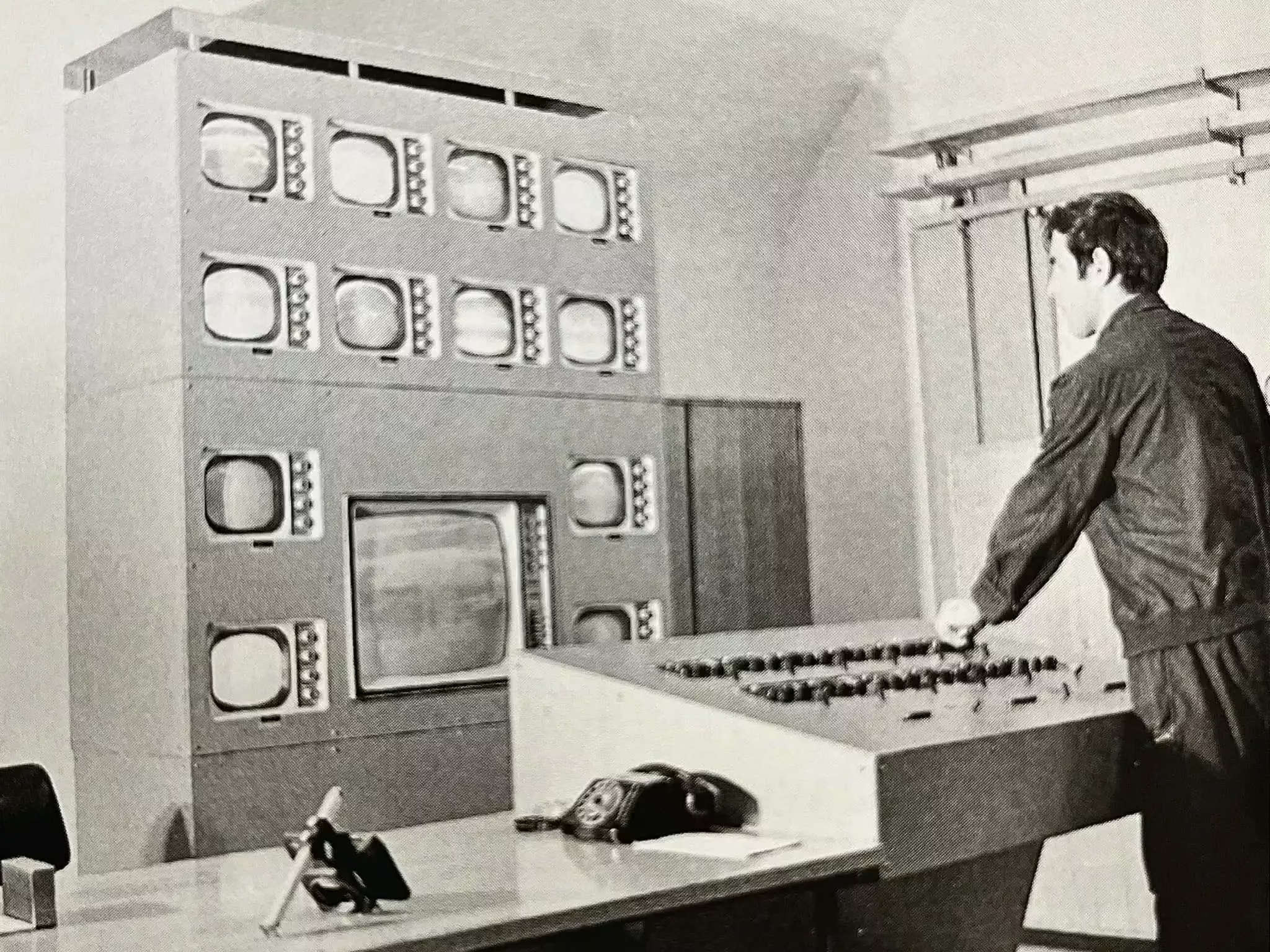
Photos courtesy of the Zeljava LYBI Team, whose outstanding work helps preserve and share the story of Željava Airbase.
History and Strategic Vision
Located beneath Mount Pljesevica near the city of Bihać, Zeljava Air Base formed part of a broader network of secret military installations developed across the former Socialist Federal Republic of Yugoslavia. These highly classified facilities, known under the “Objekat” designation, were constructed in remote yet strategically vital areas to strengthen the country’s defensive capabilities during the Cold War.
The idea for Zeljava was initiated in 1948, but major construction works began in 1957 and continued for more than a decade, reaching completion in 1968. Inspired in part by Swedish mountain hangar concepts such as those used by the Göta Wing, the base became one of Europe’s most ambitious underground military engineering projects. Its existence was even documented by American CORONA reconnaissance satellites in 1968 — a clear indication of its geopolitical importance.
The primary mission of Zeljava was to serve as the backbone of a nationwide early-warning and air-defense system, comparable in concept to NORAD in the United States. From this fortified mountain complex, radar surveillance, interception control, and secure communications were integrated into a unified defense shield covering Yugoslav airspace.

Strategic Role and Military Capabilities
Zeljava Air Base was a key element of Yugoslavia’s integrated air-defense system. The strategic radar station on Mount Pljesevica provided long-range surveillance over much of Yugoslav airspace, forming a crucial early-warning and interception node. Radar data was linked directly to Zeljava, where command, control, and fighter response were coordinated from within the protected underground complex.
The nearby Celopek position supported this system by serving as a communication relay between Zeljava and the radar site on the mountain, ensuring stable signal transmission despite the challenging terrain.
Inside the 3.5-kilometer tunnel system, the base housed:
Two fighter squadrons (124.LAE and 125.LAE) equipped with MiG-21bis aircraft
One reconnaissance squadron (352.IAE) flying MiG-21R aircraft
Maintenance zones and technical workshops
Secure communications and command centers
Four massive entrances, protected by 100-ton pressurized blast doors, allowed aircraft to taxi directly into the mountain. Three entrances were designed specifically for fixed-wing aircraft operations. The base was originally intended to eventually support the domestically developed “Yu Supersonik” aircraft project.
Above ground, the complex included five runways, mobile radar units, surface-to-air missile sites equipped with 2K12 “Kub” (NATO: SA-6) systems, quick reaction alert aircraft positions, infantry facilities, and military police stations. Security was strict, with controlled access and armed perimeter protection.

The Underground “Klek” Complex
The underground section of Zeljava was engineered for survival under extreme conditions. Reinforced semicircular concrete shielding lined the tunnels to absorb shockwaves from potential strikes. The entire structure was built to withstand a direct 20-kiloton nuclear explosion — equivalent to the bomb dropped on Nagasaki.
The complex was almost self-sufficient. It contained:
Independent water supply
Power generators
Crew quarters
Communication centers
Storage for food, fuel, and weapons sufficient for 30 days
A fully equipped underground mess hall providing daily meals for stationed personnel
Fuel was delivered through a 10-kilometer underground pipeline linked to a military warehouse near Bihać. In effect, Zeljava functioned as a fully operational underground city hidden inside the mountain.
Destruction During the Yugoslav Wars
In 1991, at the outbreak of the conflicts that followed the breakup of Yugoslavia, the base was heavily used. During its withdrawal, the Yugoslav People’s Army systematically destroyed the complex to prevent it from being captured.
Explosives had been pre-installed beneath the runways during construction, specifically for demolition if necessary. In 1992, an additional 56 tons of explosives were detonated, causing massive structural damage. The explosion was so powerful that it shook Bihać, and local residents reported smoke rising from the tunnels for months afterward.
The destruction left the once-advanced military installation in ruins, rendering it unusable for further military operations.
Current Status and Challenges
Today, Zeljava lies abandoned along the international border between Croatia and Bosnia and Herzegovina. The area is gradually healing and is expected to be completely cleared of landmines by the end of 2026. The lone exception is a tragic incident 26 years ago, when a person was killed by a landmine — a reminder that caution is still necessary. Visitors should remain careful in any unexplored sections.
Over the years, various redevelopment ideas have surfaced. Every year there are talks and proposals — from a civilian airport by the Municipality of Bihać to transforming the site into a museum or other tourism initiatives — but nothing has moved forward, largely due to financial constraints and cross-border regulations limiting military facilities within 15 kilometers of an international border.
Today, Zeljava is best known as one of Europe’s most impressive abandoned military sites. Historians, photographers, and urban explorers are drawn to its vast underground tunnels, Cold War legacy, and haunting atmosphere.
About Us
Discover Zeljava with Thrill Quest — guided adventures through tunnels, history, and remarkable underground experiences.
Into the Underground
Ready to Explore Zeljava Airbase Yourself?
Walk through Zeljava Airbase and hear why this unique underground tour leaves a lasting impression on our guests.
info@thrillquest.hr
Contact us anytime

Thrill quest takes you on guided underground adventures at Zeljava Airbase.
Languages
Site map
Contact Us
Plitvice, Croatia
+385 99 840 35 36
info@thrillquest.hr
Copyright 2026, Thrillquest. All Rights Reserved.
- Terms of Services
- Privacy Policy